EC Trek
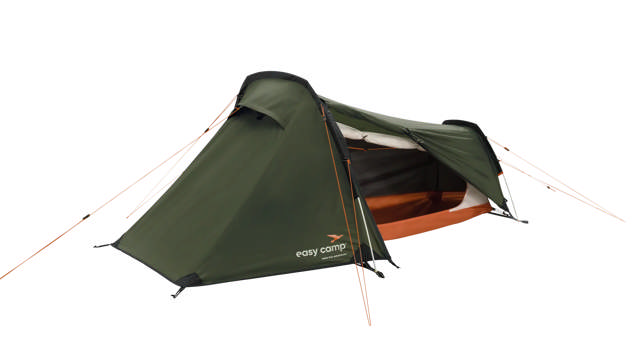
Sarek 1
£100.00
Preorder this item

At easy camp, we design options for everything from lightweight solo touring to spacious family holidays, with sizes that typically sleep 1–8 people. You can keep things simple with an easy-to-pitch dome, step up to a roomy tunnel with a large porch, or choose an inflatable design that reduces the number of separate parts you handle on arrival.
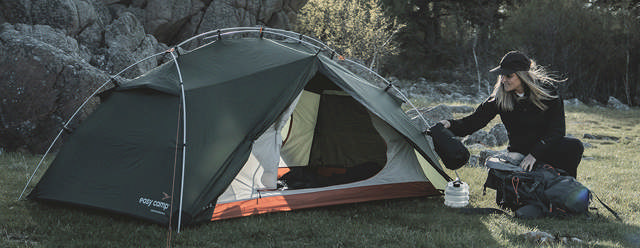
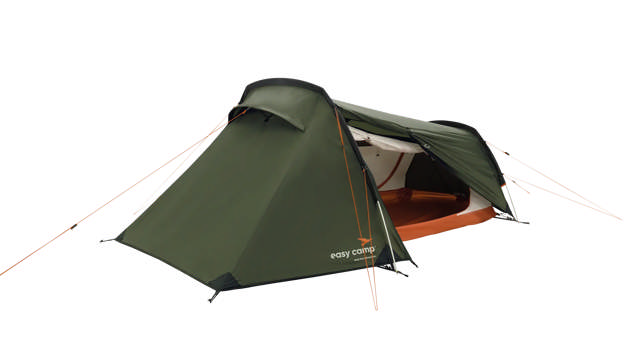
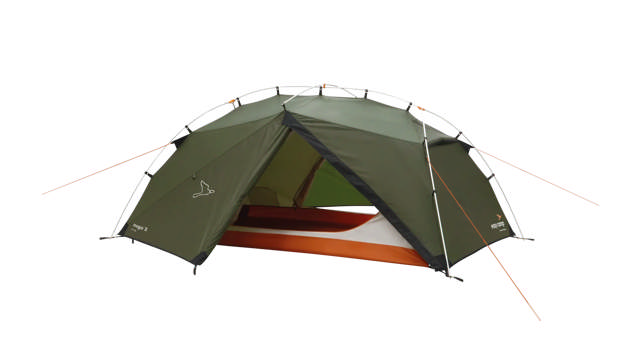
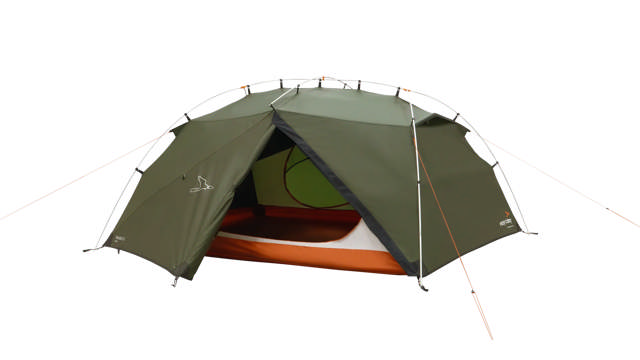
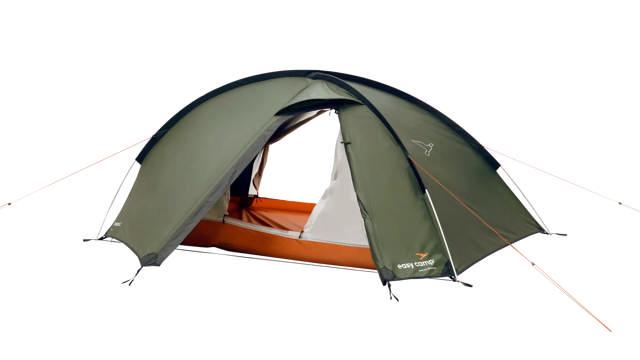
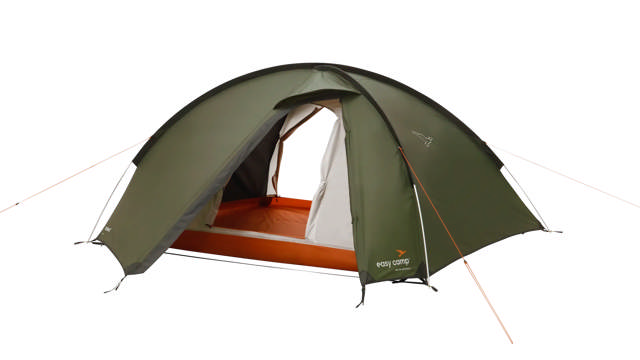
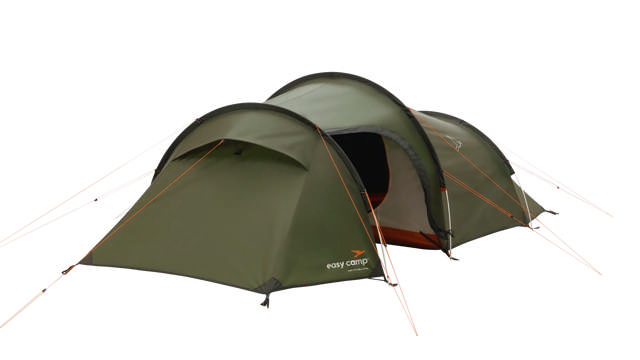
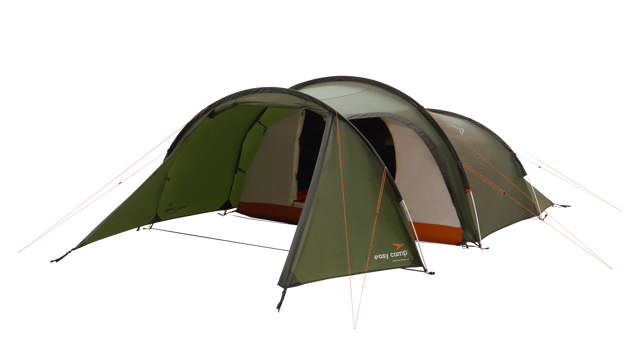
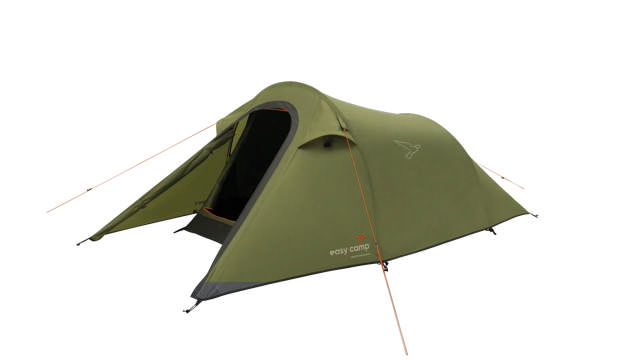
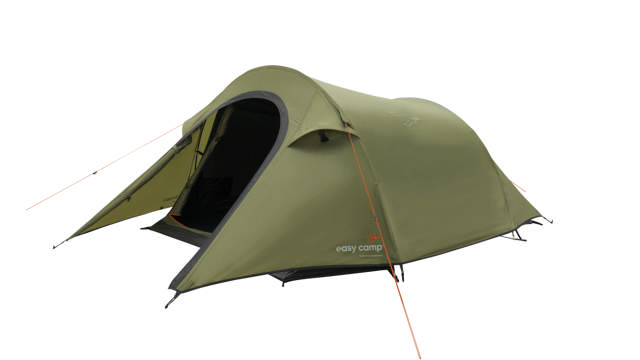
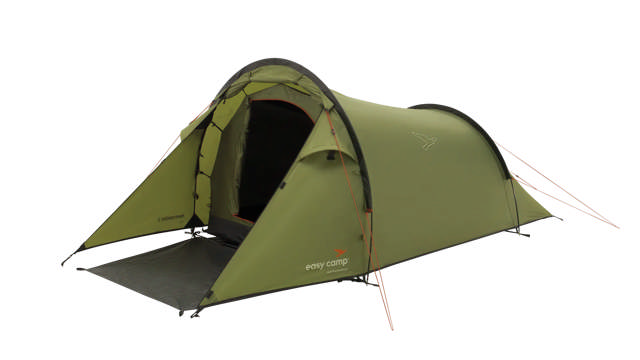
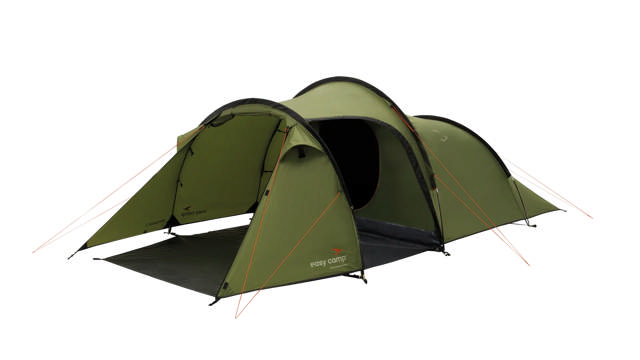
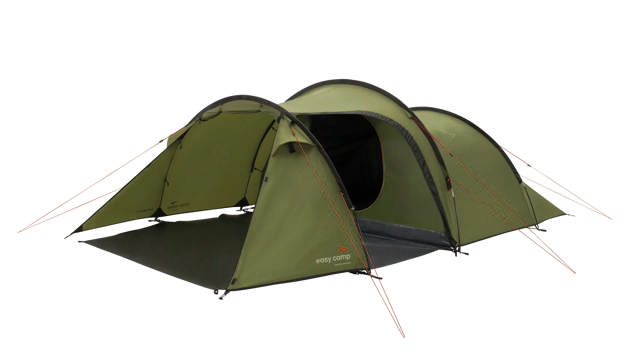
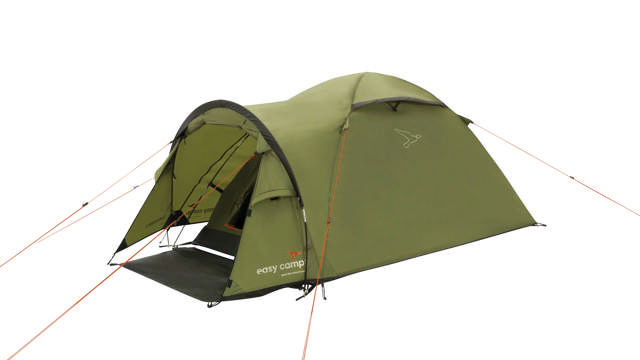
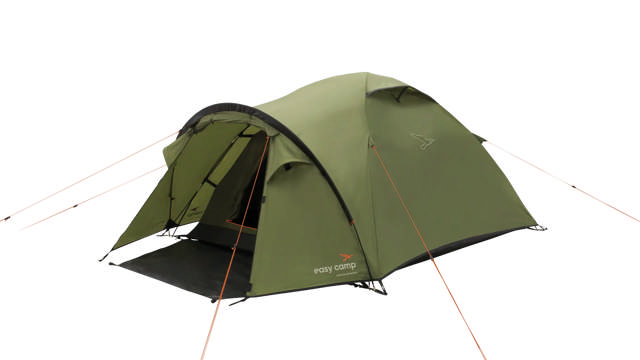
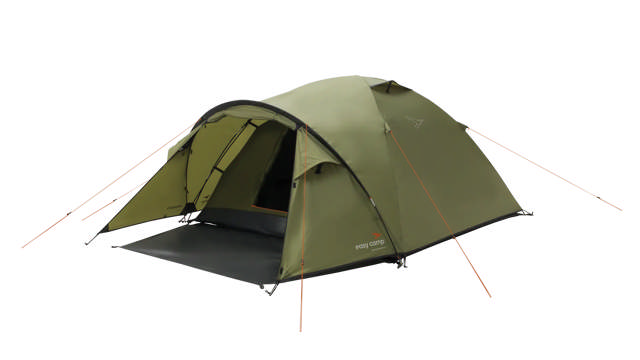
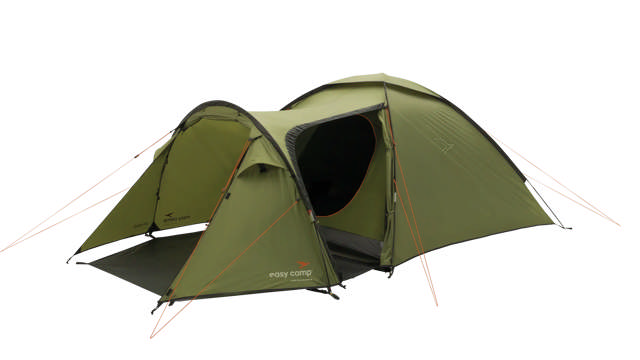
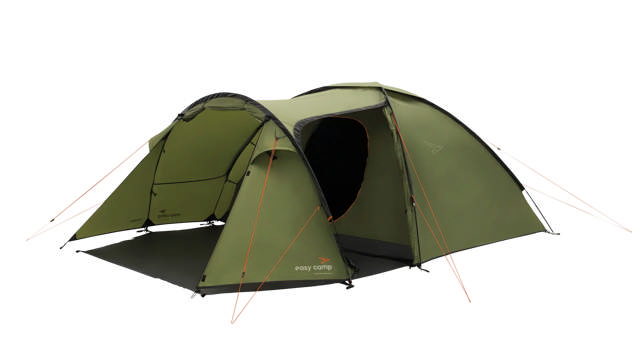
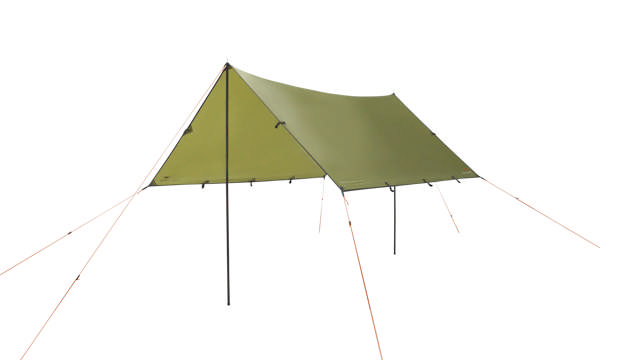
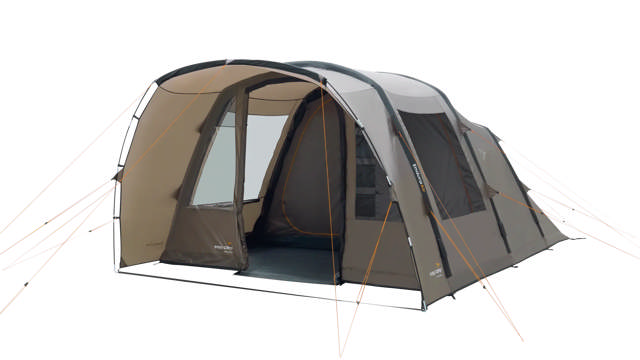
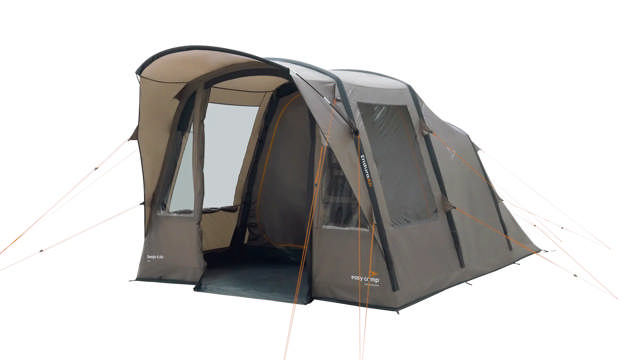
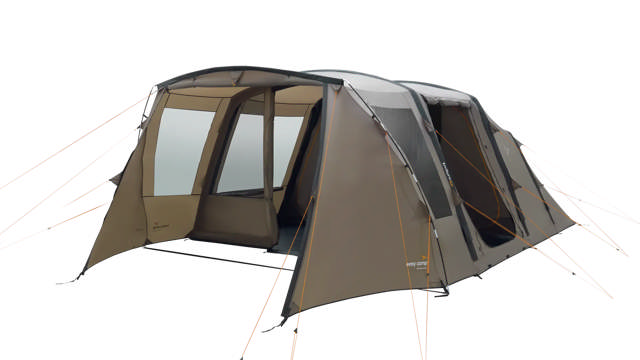
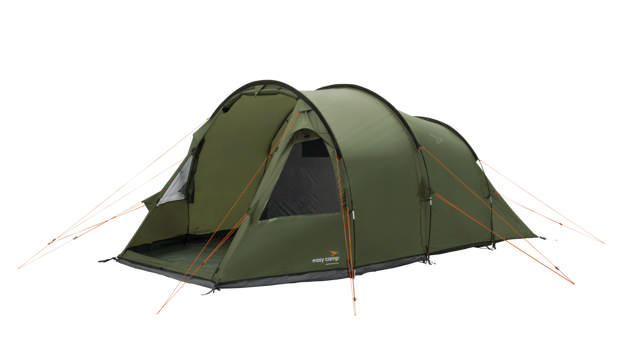
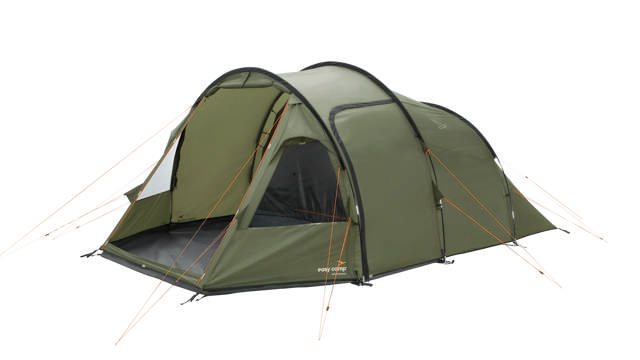
Choosing the right tent is about matching your trip, your comfort needs, and the way you like to travel. Our Scandinavian heritage shows in practical layouts, reliable materials, and details that make camping easier and more fun—so you can focus on the experience. Dive into this guide and let us help you find your next tent.
If you start with how you actually camp, the choice becomes much clearer. Are you moving every day, or staying put for a week? Do you need a small pack size for simple touring, or a bigger living area where everyone can change clothes, play cards, and store kit when the weather turns? For many people, the sweet spot is a compact design with a porch for boots and wet jackets, plus good ventilation for warmer nights.
Think about pitching time as well. If you often arrive late, you’ll appreciate a straightforward set-up and intuitive pole sleeves or clips. And if you like a darker sleeping space for early mornings on site, look for inner-tent designs made to support better rest. Our aim is easy-to-use outdoor gear that suits real holidays, not just showroom measurements.
We organise our collection into clear ranges, so you can shop by style instead of guessing:
A classic poled design is a great choice if you like a familiar routine and want a structure that is easy to understand and maintain. In our selection, you will find both steel poles and fibreglass (fiberglass) poles, depending on the model and the intended use. A dome can be flexible on smaller pitches, while a tunnel shape often rewards you with a bigger porch and strong space-to-weight efficiency.
An air-frame design can feel simpler at the campsite, because you inflate the main structure rather than assembling multiple poles. That can be helpful if you camp with children, arrive in windy conditions, or simply prefer fewer steps in the process. If that sounds like your style, explore our Air tents and compare layouts, living space, and packing size before you decide.
Capacity is about more than a number on a label. A 1–2 person option suits solo trips and lightweight touring, where you want a smaller footprint and faster pitching. For two people who like extra space, choosing the next size up can make evenings more comfortable and keep bags away from sleeping areas.
Three- and four-person designs are popular for weekend camping, small families, and friends sharing costs—especially when you choose a layout with a sheltered porch for cooking kit and wet outer layers. When you move into 4–6 berths, look for divided bedrooms and a proper living area where you can stand up, organise clothing, and keep everyone’s routine calmer. For groups, vis-à-vis layouts that sleep up to 8 can give each end privacy and make the middle a social hub. For more space-focused layouts, browse Family tents.
If comfort is your priority, glamping-style designs are worth a close look. The big difference is how the tent supports day-to-day living: higher central height, a more open feel when you step inside, and a layout that suits slower mornings and longer evenings on site. For festivals, family getaways, and relaxed summer trips, these details can matter as much as waterproofing.
It’s also a great option if you camp with people who are new to sleeping outdoors and want something that feels familiar and welcoming. Tipi-style shapes can be especially social, with a sense of shared space and a roomy centre height. At Easy Camp, you can explore these comfort-first formats in our Glamping tents selection and compare shapes, capacities, and practical features before you commit.
UK weather can switch quickly, so focus on the fundamentals. Start with the flysheet and its hydrostatic head rating, and pay attention to seam construction and how the groundsheet meets the inner. A sewn-in groundsheet can help reduce draughts and keep insects out, while detachable “bathtub” styles can be useful when you want flexibility at the porch.
Ventilation is just as important as waterproofing during tent camping. Look for a balance of high and low vents, plus mesh panels that allow airflow while limiting bugs. Many campers also appreciate darker inner materials for better rest when mornings come early. Finally, consider stability: guying points, pole geometry, and overall shape all influence performance in gusty conditions. Our designs are thoroughly tested for wind and water resistance, so you can focus on the trip rather than constant adjustments.
Small add-ons can make a bigger difference than most people expect. A footprint helps protect the groundsheet from abrasion, a carpet can improve comfort underfoot, and a simple LED strip light makes evenings calmer when you’re sorting kit or reading. If you want more privacy on busy campsites, a pop-up utility shelter for changing can also be a practical upgrade, especially for families.
It’s worth thinking about organisation too: extra guylines, repair patches, and a clear storage plan often reduce daily stress more than any single “luxury” feature. To tailor your set-up to the trip, finish the kit list with practical extras from our tent additions. When you’re ready, choose your next tent in our shop, or contact Easy Camp for guidance on sizing, layouts, and the right range for how you camp.
easy camp