
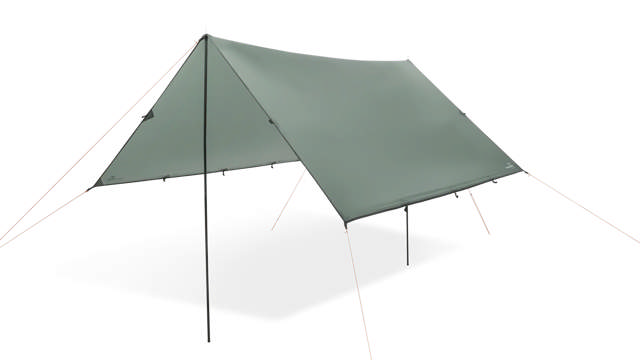
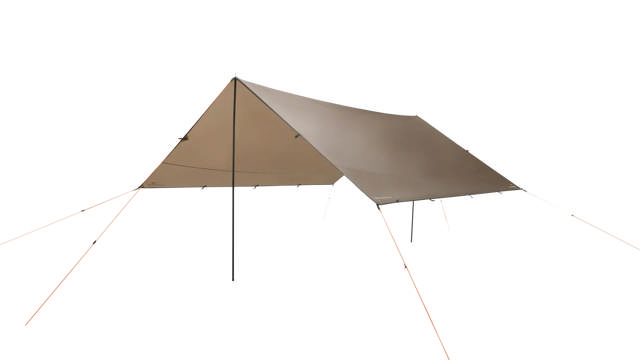
Norddal Tarp 3 x 3 m
£52.50
Preorder this item

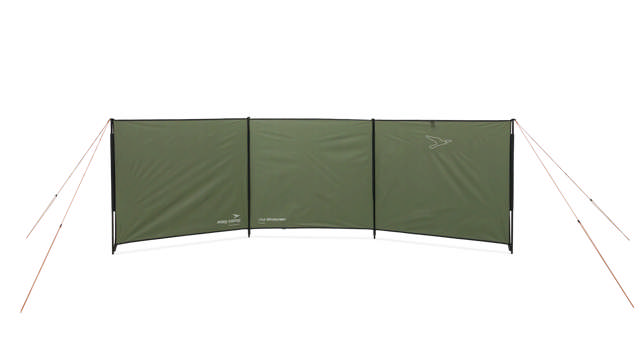
Shield your space from wind and create extra shelter.


A footprint is one of those small additions that can make a noticeable difference over a season of camping. It sits underneath your tent as a sacrificial layer, taking the knocks so your tent base does not have to. If you often camp on gravel, dry grass, forest pitches, or simply want an easier clean-up after a wet weekend, a well-fitting ground sheet is a practical upgrade.
Even if your tent has a sewn-in floor, an extra layer underneath helps in three everyday ways: dirt, abrasion, and cold. First, it keeps mud, sap, and general grime away from the base, so packing down is quicker and you bring less mess home. Second, it reduces wear from stones, roots, and rough pitches that can slowly scuff coatings over time. Third, it adds a thin barrier against cold ground, which can make mornings feel a little more comfortable, especially in spring and autumn. For many campers, that combination is exactly what ground sheet camping is about: easier maintenance and a more pleasant night without complicating your kit. It also helps protect the tent floor so your tent stays ready for the next trip.
Start with the tent model, not the number of berths. A tent footprint should match the outline of your tent base so it sits neatly under the sleeping area and lines up with corners and pegging points. If it is too small, parts of the base may still rub on the ground. If it is too large, rain can collect between the footprint and the tent, which is the opposite of what you want. A good rule is that the footprint should be covered by the tent, with no edges sticking out.
If you are still comparing tent styles and floor shapes, Tips for choosing and setting up a tent is a useful read before you decide on a groundsheet for your tent. Once you know your tent, choosing the right matching footprint becomes straightforward.
Coverage is not only about size; it is about placing protection where it matters. Many family tents have a clear division between living area and sleeping compartments, and the base shape can include angled corners or a wider front. The most practical footprints mirror that shape, so the protective layer sits under the area that sees the most pressure from knees, chairs, and moving around. When you are browsing groundsheets for tents, look for wording that ties the footprint to a specific tent model, because it usually means the fit has been thought through.
It is also worth understanding your existing groundsheet style. Some tents use a sewn-in floor, others have detachable sections, and some use a deeper “bathtub” edge to help block draughts. A footprint does not replace those features; it supports them by reducing abrasion and keeping the underside of the tent groundsheet cleaner, especially on sandy or muddy pitches.
At easy camp, several footprints are designed as optional extras for specific tent lines, so you can choose a fit that makes sense for your set-up. These are made to match the tent base shape and size, which is exactly what you want if you pitch often and want to reduce long-term wear. Examples include:
If you are planning more space, it can help to choose the tent first and then match the footprint. Browse family tents for larger camping pitches gives you a clear view of different floor plans so your footprint choice stays accurate and practical.
A footprint works best when it is treated as part of your pitching routine. Before you put anything down, take a minute to clear sharp stones, pinecones, and twigs. Lay the footprint flat, align it with the tent base, and then pitch the tent on top as normal. When you pack down, shake off grit and let it dry if you can. This is one of the simplest ways to avoid bringing damp and dirt into your storage bag, and it keeps your camping ground sheet pleasant to handle next time.
For cleaning, lukewarm water and a soft brush usually do the job. Avoid harsh chemicals, and never store it wet for long periods. If you want to build a small “repair and care” kit to keep in the tent bag, Explore accessories to protect and organise your tent is a good place to find practical add-ons that suit real trips, including those where the pitch is less than perfect. Used this way, a tent ground sheet becomes a simple habit, not extra hassle.
Most campers keep it simple: a matching footprint underneath, and then comfort choices inside. If you camp with family, consider how you use the living area. Do you bring chairs inside on rainy evenings? Do the kids walk in and out with muddy shoes? A footprint helps with that everyday wear, while an optional carpet can make the interior feel warmer underfoot and more inviting on cooler mornings. If you are touring different pitches, it is also smart to carry a small cloth for wiping condensation and a few spare pegs, so your set-up stays reliable.
If you are ready to protect your tent base and get going quickly, choose a footprint that matches your model from our range of groundsheets for tents on our shop. If you want guidance before you buy, contact easy camp customer service and we will help you pick the right fit.
easy camp