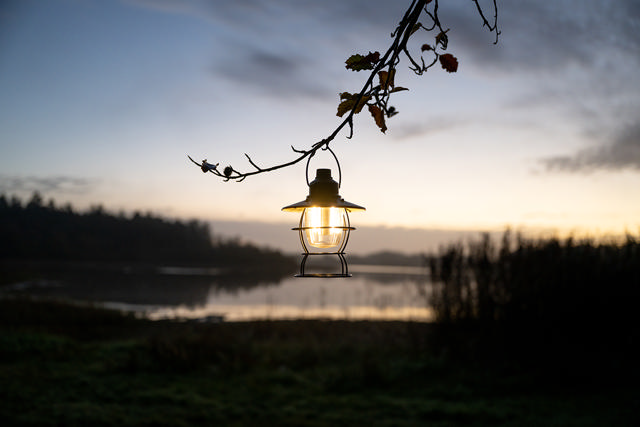

Complete sleeping gear guide
Choose the right sleeping bag for your next adventure
A good night’s sleep starts with the right sleeping bag. Whether you are heading to a summer campsite, travelling by bike or planning a cooler outdoor escape, easy camp has practical sleeping bags designed for comfortable nights outdoors. Use this guide to choose the right warmth, shape and size for your adventure.
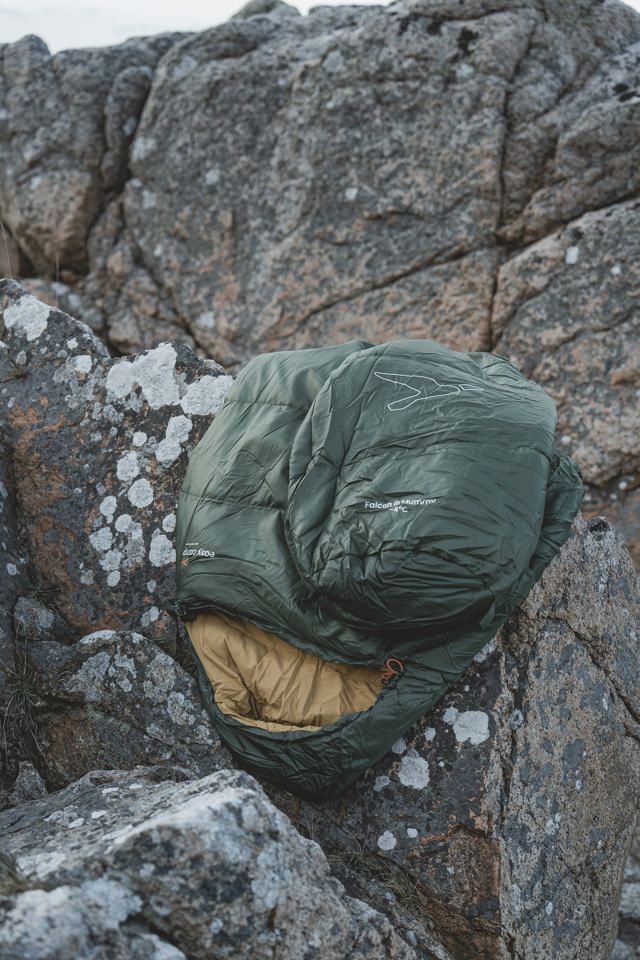

1. What type of camping are you planning?
Your camping style helps determine which sleeping bag will suit you best. Consider where you are going, how you are travelling and the temperatures you expect at night.
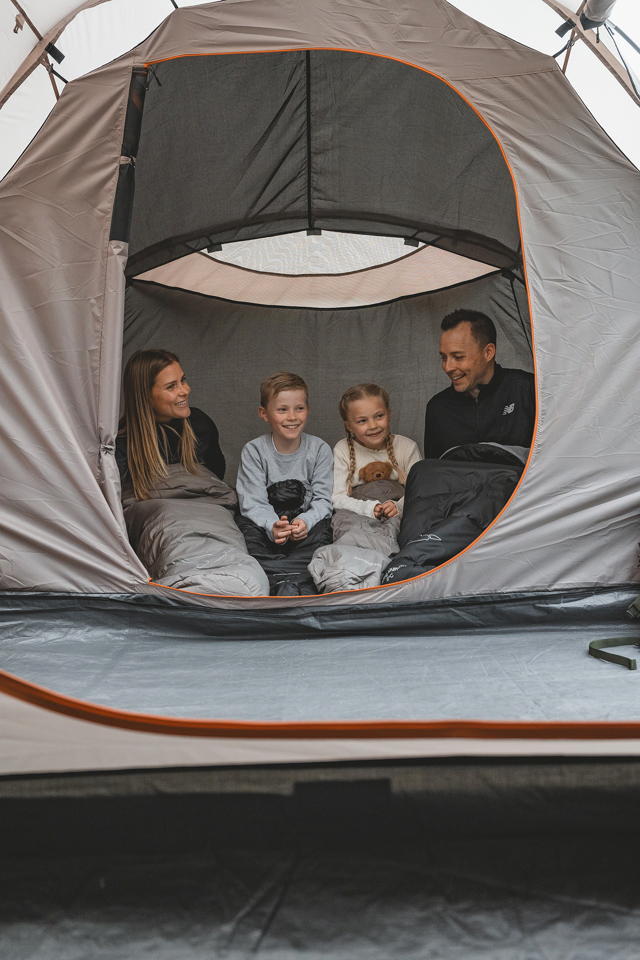
Family camping and summer holidays
Choose a spacious sleeping bag with room to move for relaxed nights at the campsite. Junior sleeping bags offer a comfortable fit for younger campers.
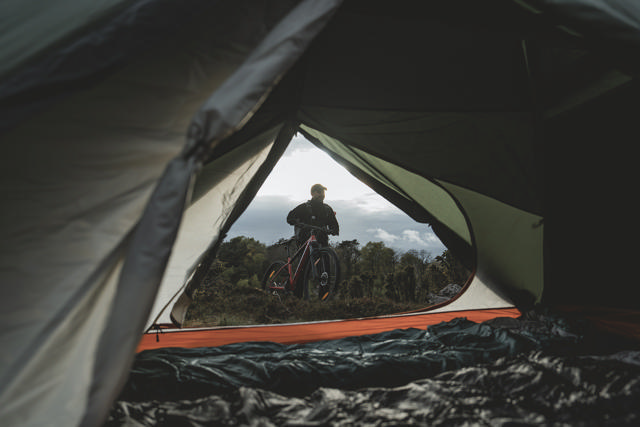
Hiking, cycling and touring
Choose a lightweight, compact mummy sleeping bag that is easy to pack and carry on active adventures.
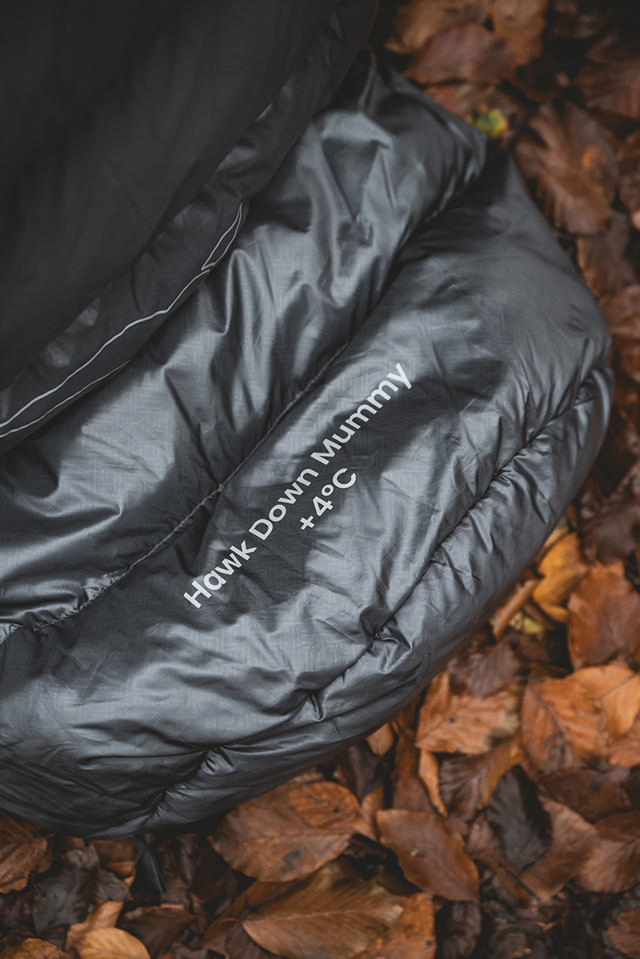
Cooler spring and autumn nights
Choose a sleeping bag with a lower temperature rating for extra warmth when temperatures drop.
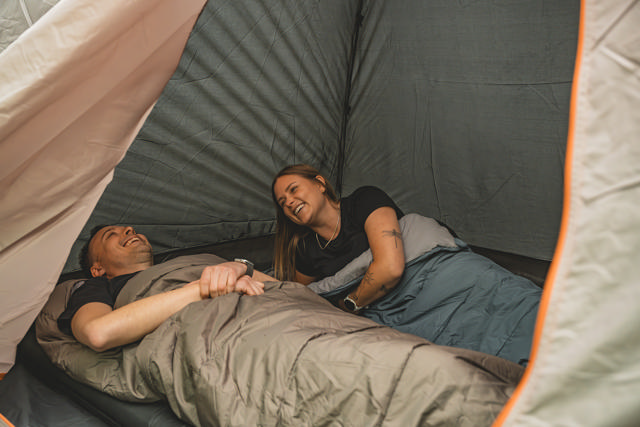
2. Choose the right temperature
The right sleeping bag depends on where and when you camp. Always consider the expected night temperature, your sleeping mat, clothing and whether you tend to sleep warm or cold.
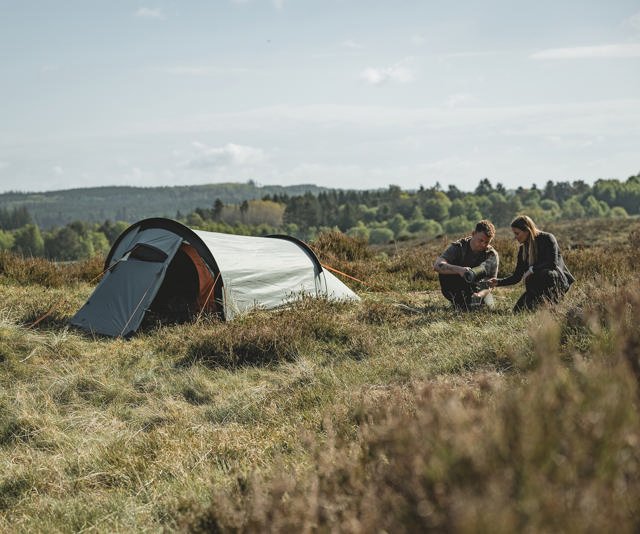
Warm summer nights
A sleeping bag with a higher temperature rating is a practical choice for warm-weather camping.
Seasons: 1-2

Spring, summer and early autumn
A versatile sleeping bag offers comfortable warmth for many camping trips in mild conditions.
Seasons: 2-3
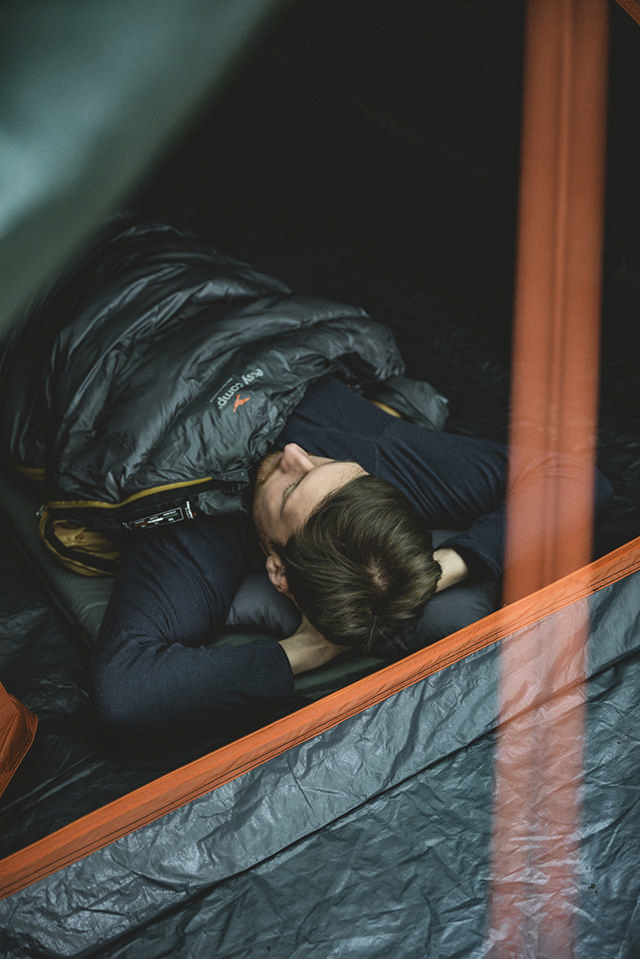
Cooler nights
For colder conditions, choose a sleeping bag with a lower limit temperature and combine it with a well insulated sleeping mat.
Seasons: 3
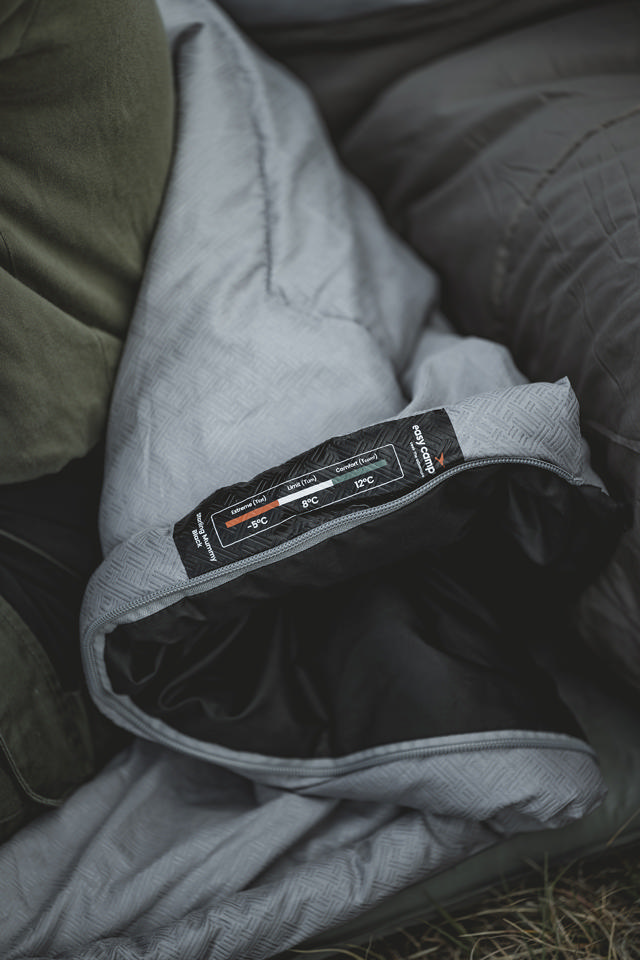
Understanding temperature ratings
easy camp sleeping bags show three temperature ratings to help you choose the right warmth for your trip:
Comfort indicates the temperature at which an average sleeper is likely to feel comfortable and relaxed.
Limit indicates the lowest temperature at which an average sleeper may still sleep in a curled position.
Extreme indicates the lowest survival temperature. It is not a comfort rating and should not be used when planning your camping trip.
For the best night’s sleep, choose a sleeping bag with a comfort rating suitable for the coldest temperatures you expect. Your sleeping mat, clothing and personal sensitivity to cold will also affect how warm you feel.
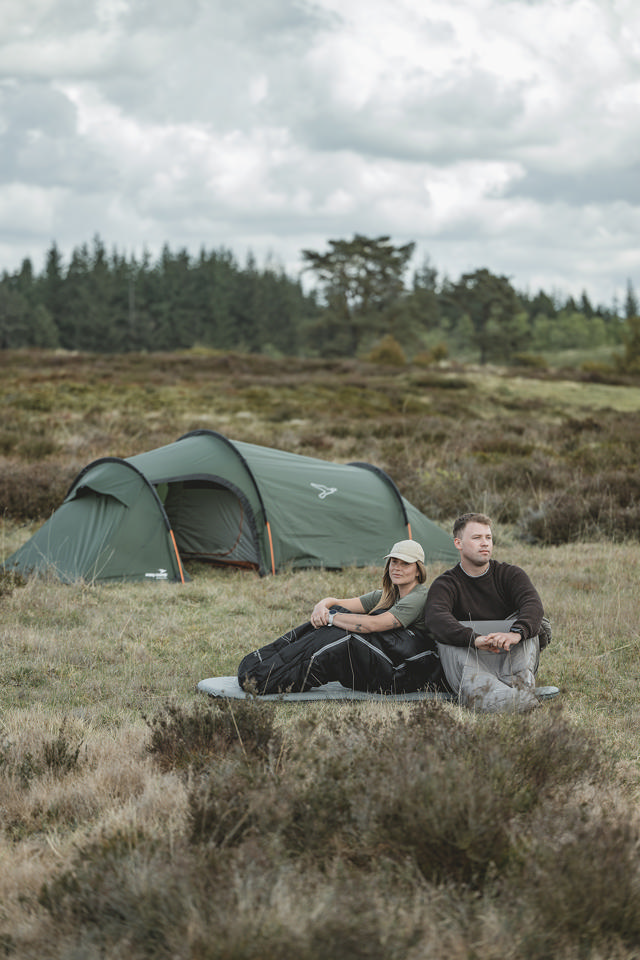
3. Down or synthetic filling
The filling inside a sleeping bag affects its warmth, weight, packed size and performance in damp conditions. easy camp sleeping bags are available with different filling types, including recycled polyester fibre and responsibly sourced, traceable duck down.
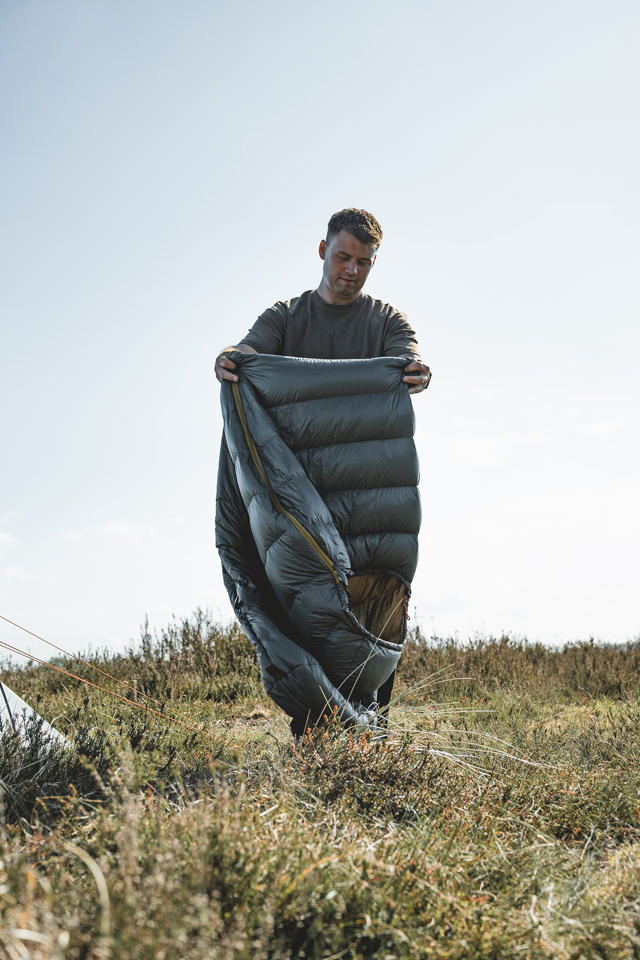
Down filling
Down offers excellent warmth for its weight and packs down small, making it a great choice for hiking, cycling and other adventures where low weight and compact packing are important. Down needs more care in damp conditions, as it can lose insulation when wet.
Best for: Lightweight travel, dry conditions and compact packing.
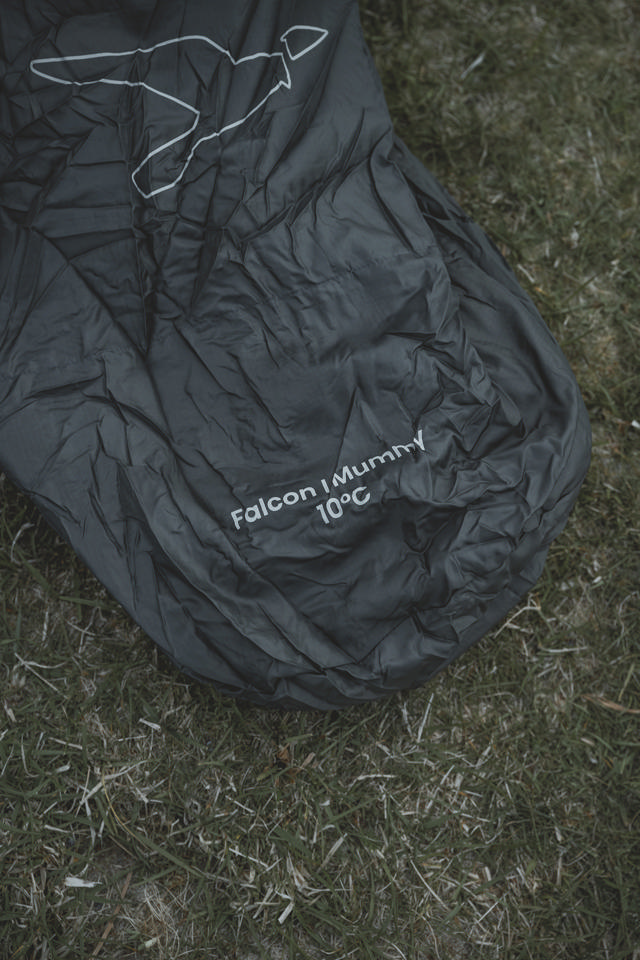
Synthetic filling
Synthetic filling is a practical and reliable choice for camping in changing or damp conditions. It continues to provide insulation when damp, dries quickly and is easy to care for. It is usually bulkier than down when packed.
Best for: Family camping, campground stays and trips with changeable weather.
4. Choose your preferred sleeping bag shape
Sleeping bags come in different shapes to suit different types of camping and personal preferences. Whether you prioritise lightweight packing, extra room to move, shared comfort or the right fit for younger campers, choosing the right shape can help you sleep more comfortably outdoors.

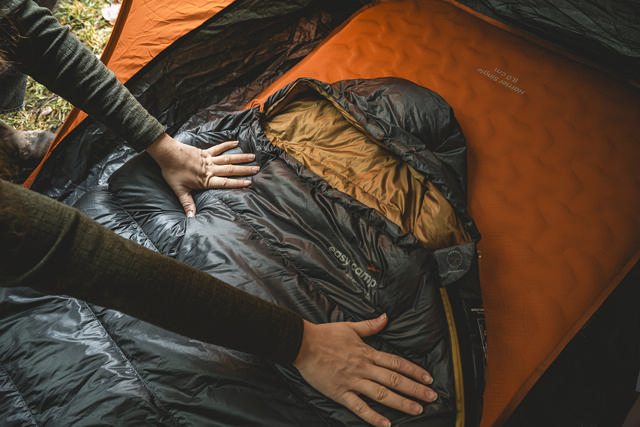
Mummy sleeping bags
Mummy sleeping bags are shaped to follow the body more closely, helping to reduce empty space and retain warmth. They are a great choice for hiking, cycling and touring, where low weight and compact packing size matter.
Best for: Active camping, lightweight travel and cooler nights.
Square sleeping bags
Square sleeping bags offer more room to move and a more open, relaxed feel. They are ideal for campsite stays, family camping and anyone who prefers extra space while sleeping.
Best for: Comfortable campground stays and relaxed summer camping.
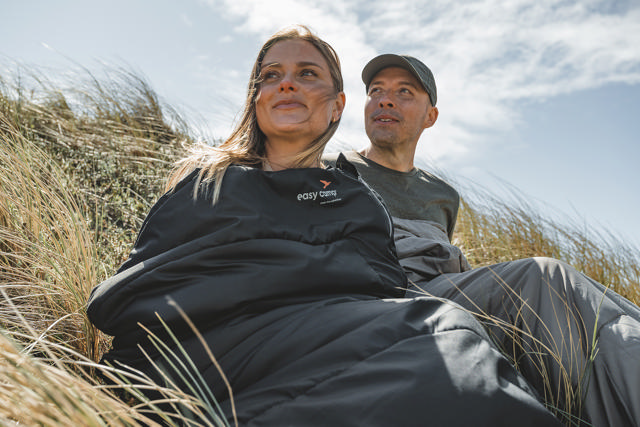
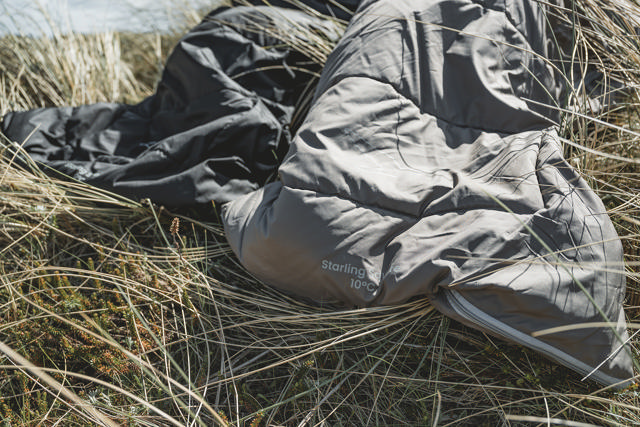
Double sleeping bags
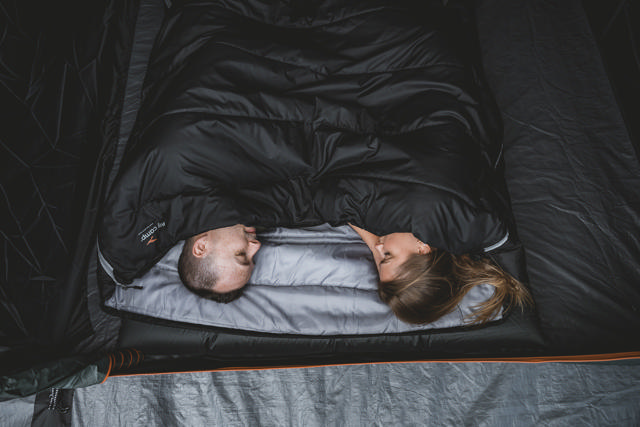
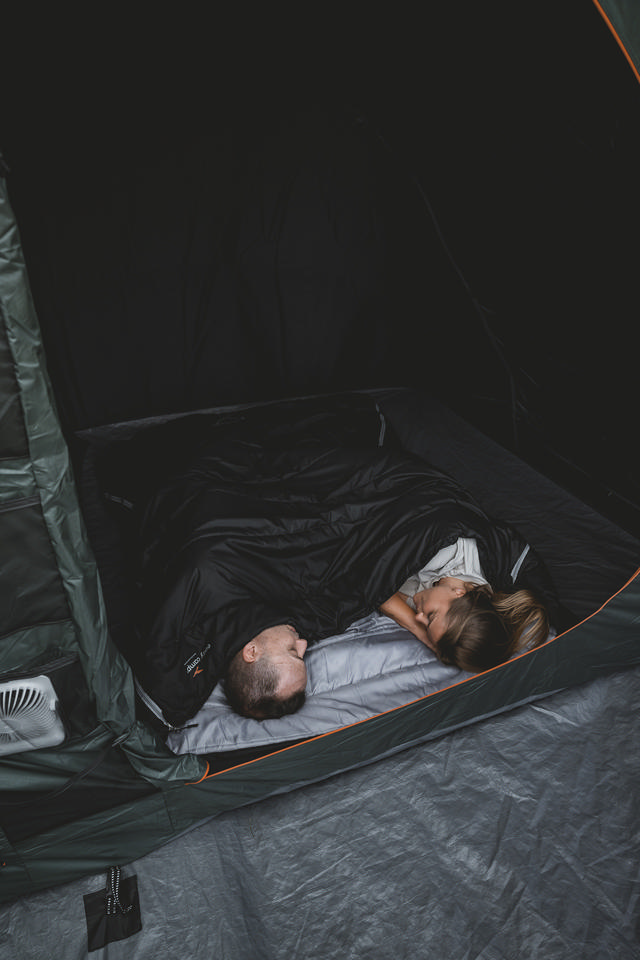
Double sleeping bags are designed for two people and are ideal for couples who want to share warmth and comfort during camping trips.
Best for: Camping holidays, weekends away and couples camping.
Junior sleeping bags
Junior sleeping bags are made to give younger campers a more comfortable fit without unnecessary empty space.
Best for: Family camping and children’s outdoor adventures.


5. Find the right size
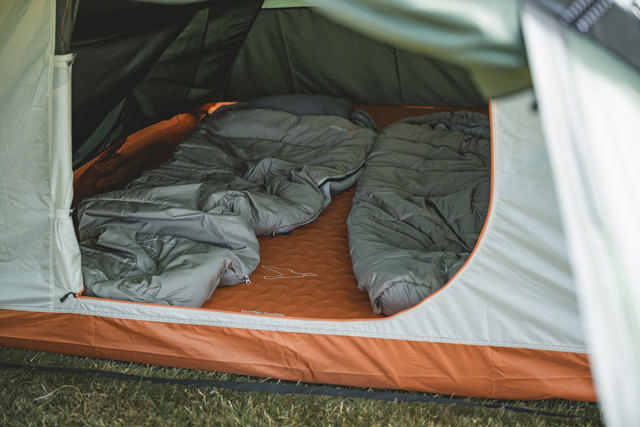
For the best comfort and warmth, choose a sleeping bag that suits your height and preferred sleeping position. A sleeping bag that is too large can feel less warm, while one that is too short may feel uncomfortable.
When choosing, check: 1. Maximum user height, 2. Sleeping bag length and width, 3. Whether you prefer a close fitting or roomy shape, 4. Whether the sleeping bag is designed for adults or juniors.
6. Pair your sleeping bag with the right sleeping mat
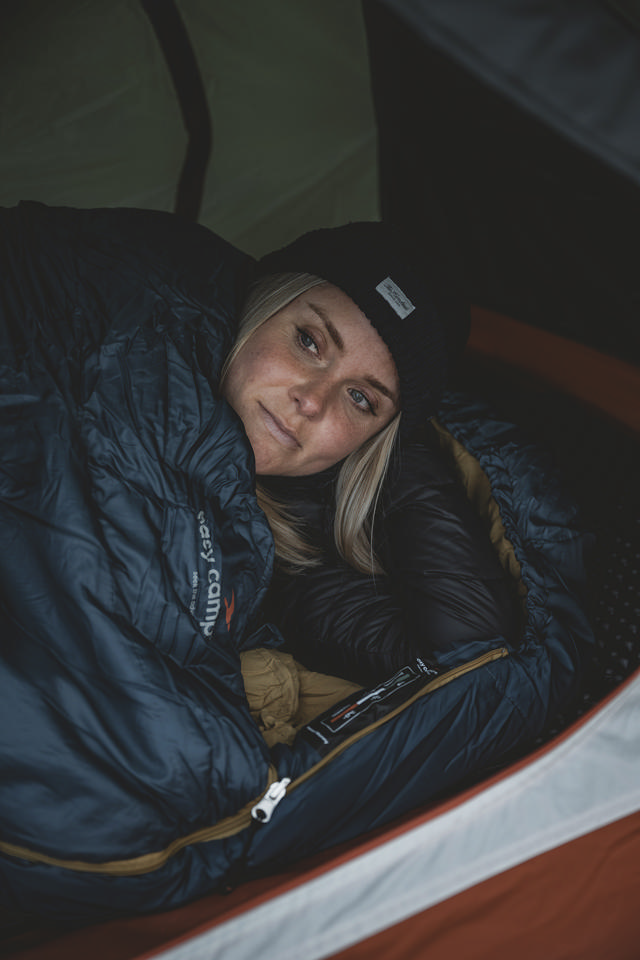
A sleeping bag keeps you warm from above, while a sleeping mat helps protect you from cold ground below. For a more comfortable night outdoors, pair your sleeping bag with a mat that suits the conditions and your preferred level of comfort.
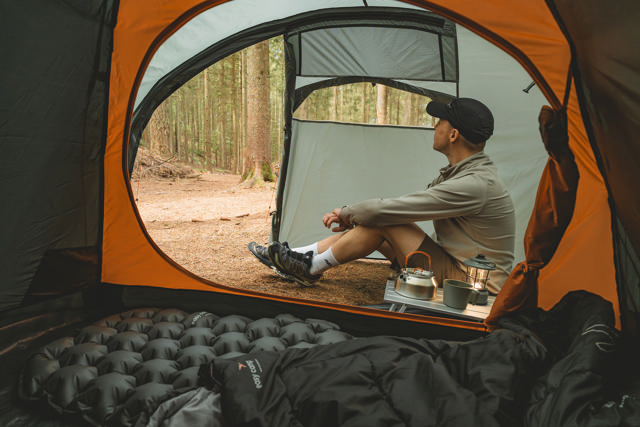
For lightweight adventures
For hiking, cycling, touring and wild camping, choose a lightweight and compact sleeping mat that is easy to carry and pack. A simple foam mat or compact airbed is a practical choice for warm weather trips where low weight and small packed size are priorities.
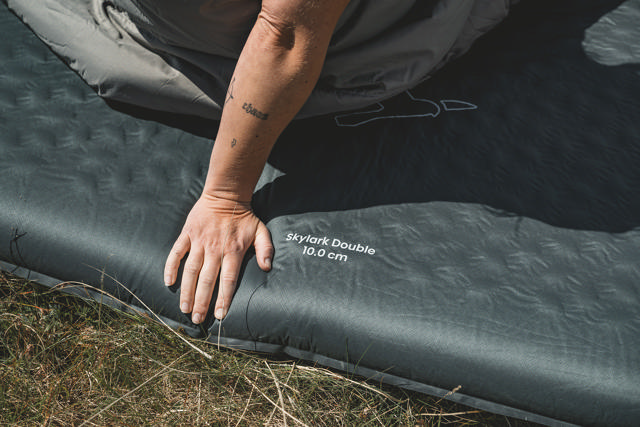
For cooler conditions
For spring, autumn and cooler nights outdoors, choose a thicker sleeping mat for extra cushioning and a more comfortable night’s sleep. A 5 cm or 10 cm self inflating mat is a practical choice when comfort is a priority and packed size is less important.
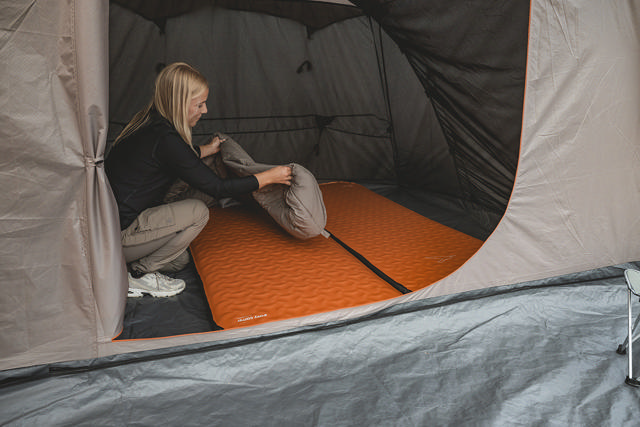
For campground comfort
For family camping, road trips and longer stays at the campsite, comfort often matters more than packed size. Choose a thicker self inflating mat or airbed for extra cushioning and a more home-like sleeping setup.
7. Helpful features to look for
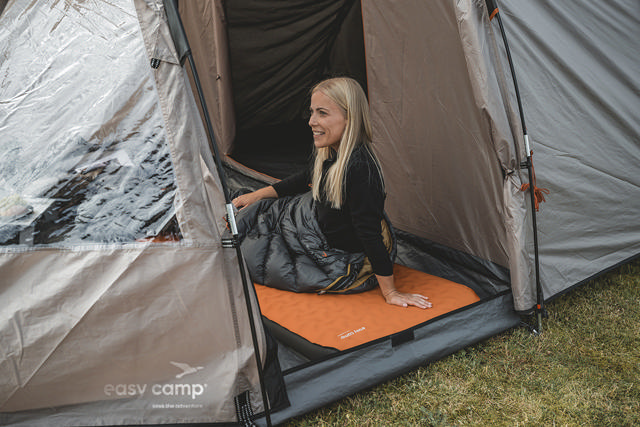
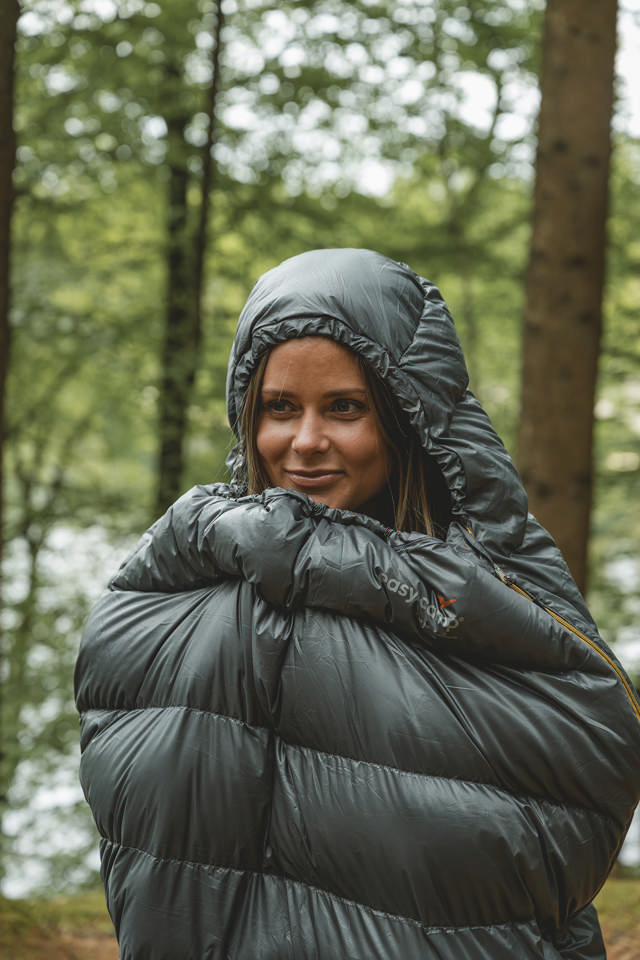
Depending on the model, easy camp sleeping bags may include practical features that improve comfort and ease of use: hoods to help retain warmth around the head, two-way zips for flexible ventilation, stuff sacks for easy packing and transport, compact packed size for hiking, cycling and touring, roomy square shapes for relaxed campsite comfort & junior sizing for younger campers.
8. Extra comfort for a better night’s sleep
The right accessories can help make your tent feel more comfortable and inviting after a day outdoors. Add extra softness, light and airflow to create a more relaxing sleeping space at camp.
Cooling airflow
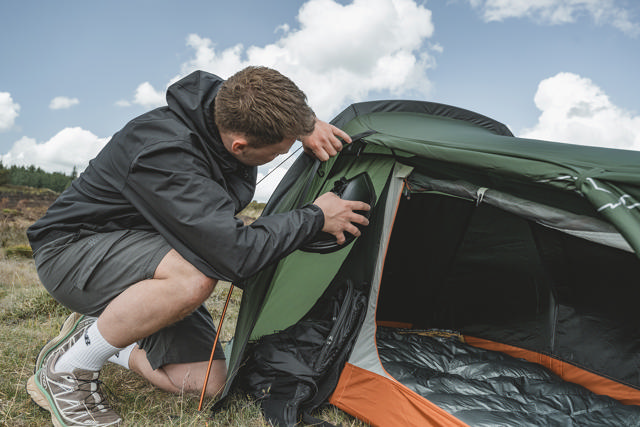
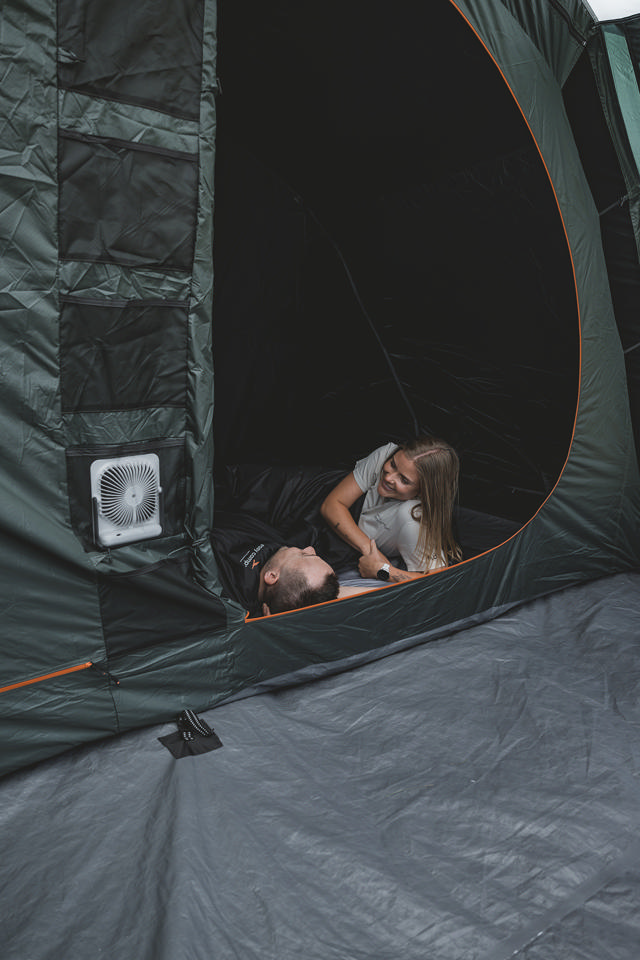
For warm nights, the Windflower Tent Fan provides quiet, adjustable airflow. It can stand, hang or fit into the dedicated fan pocket in selected EC Living tents.
Pillows and blankets
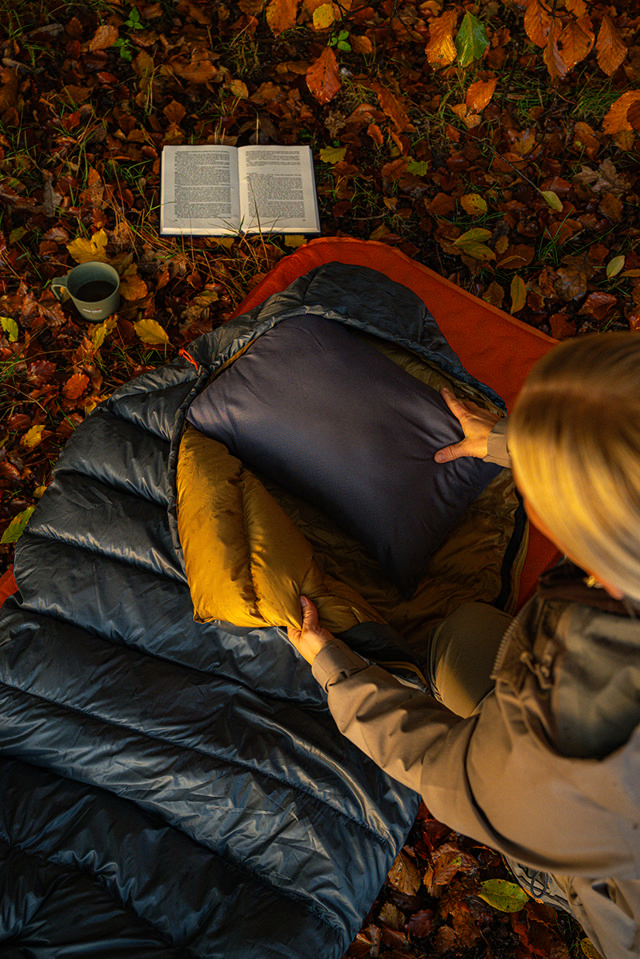
Add a camping pillow and blanket for extra comfort and a more home-like sleeping setup, especially during longer stays at the campsite.
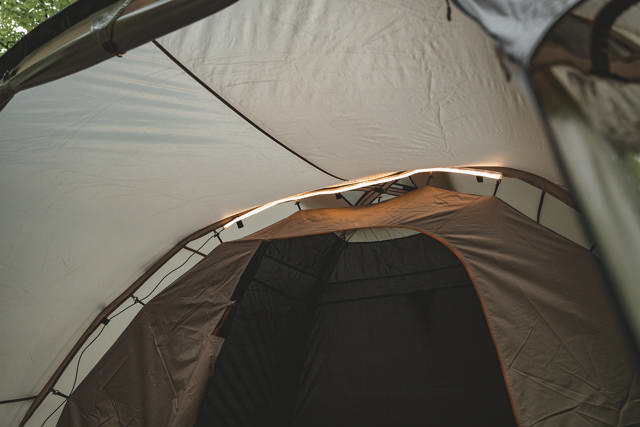
Tent lighting
The optional Twinflower Tent Light provides convenient lighting inside compatible tents and attaches easily using built-in hook-and-loop fasteners.